
A Summary On Car Sensors
By Garidoctor Motors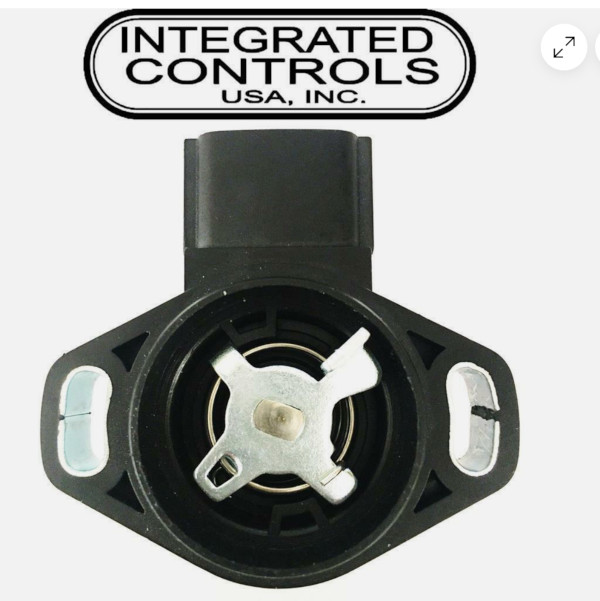
Car sensors are electronic devices that monitor various systems and conditions in a vehicle, then send signals to the car’s control units (like the ECU – Engine Control Unit) to help the car run efficiently, safely, and smoothly.
Here’s a breakdown of the main types of car sensors and what they do:
🚗 1. Engine Sensors
These help the ECU control fuel injection, ignition timing, and emissions.
-
Oxygen (O2) Sensor / Lambda Sensor:
Measures oxygen levels in the exhaust gases to ensure the correct air-fuel mixture. -
Mass Air Flow (MAF) Sensor:
Measures how much air is entering the engine so the ECU can adjust fuel delivery. -
Manifold Absolute Pressure (MAP) Sensor:
Measures air pressure in the intake manifold; used to calculate air density and engine load. -
Throttle Position Sensor (TPS):
Detects how far the throttle valve is open — helps control acceleration and fuel injection. -
Coolant Temperature Sensor (CTS):
Monitors engine temperature for proper fuel mixture and to activate radiator fans. -
Crankshaft Position Sensor (CKP):
Detects the crankshaft’s position and speed — critical for ignition timing. -
Camshaft Position Sensor (CMP):
Tells the ECU which cylinder is on the power stroke — used for sequential fuel injection.
⚙️ 2. Transmission and Drivetrain Sensors
-
Vehicle Speed Sensor (VSS):
Measures wheel or transmission speed — affects speedometer reading, shifting, and ABS. -
Transmission Fluid Temperature Sensor:
Ensures the transmission operates within safe temperature limits.
🧊 3. Emissions and Exhaust Sensors
-
Exhaust Gas Recirculation (EGR) Sensor:
Monitors EGR valve function to control NOx emissions. -
Knock Sensor:
Detects engine knocking (pinging) caused by premature combustion — allows ECU to adjust timing.
🛞 4. Safety and Stability Sensors
-
ABS Wheel Speed Sensors:
Measure each wheel’s speed to prevent locking during braking. -
Yaw Rate Sensor & Accelerometer:
Help the stability control system (ESP/VSC) detect skidding or spinning. -
Airbag Impact Sensors:
Detect sudden deceleration and trigger airbag deployment.
🌡️ 5. Comfort and Environmental Sensors
-
Cabin Temperature and Humidity Sensors:
For automatic climate control systems. -
Rain and Light Sensors:
Automatically control wipers and headlights. -
Parking Sensors / Ultrasonic Sensors:
Detect objects near the vehicle during parking.
⚡ 6. Modern Additions (Advanced Driver Assistance Systems – ADAS)
-
Radar Sensors:
Used for adaptive cruise control and collision avoidance. -
Camera Sensors:
For lane departure, traffic sign recognition, and parking assist. -
Ultrasonic & LiDAR Sensors:
Used in self-driving and advanced parking systems.
100+
Orders
1M+
Processed
50+
Customers
All day
Support